Cultural & Inclusive Programs in Deception Bay
A guide to the 7 Deception Bay childcare centres offering cultural and inclusive programs, what to look for, and how we score them.
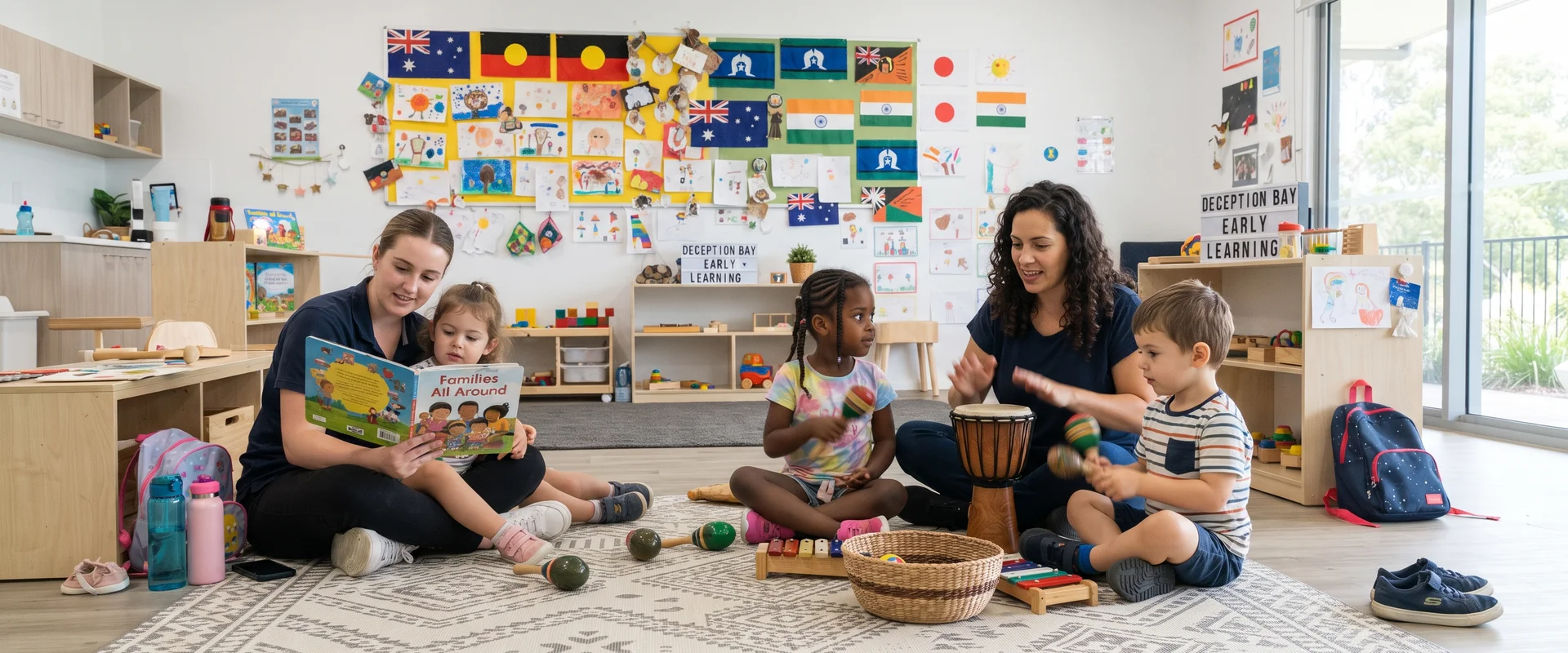
Deception Bay's families come from a wide mix of backgrounds, and the childcare centres here reflect that. Cultural and inclusive programs cover how a centre welcomes First Nations perspectives into daily learning, supports children who speak a language other than English at home, and adapts its rooms, staffing and activities for children with additional needs or disabilities. It's not a side extra: under the National Quality Framework, embedding Aboriginal and Torres Strait Islander perspectives and catering for diverse learners is part of everyday practice, not a once-a-year event.
When you're comparing the 7 centres listed here, ask specific questions rather than accepting a general "we're inclusive" answer. Find out whether educators have completed cultural competency or disability inclusion training, how the centre works with support agencies like inclusion support facilitators, whether Acknowledgement of Country and local Indigenous stories are part of the regular program (not just NAIDOC Week), and how staff communicate with families who speak languages other than English. Ask to see how individual support plans are written and reviewed for children with additional needs.
Our scoring weighs staff qualifications and training, the depth and consistency of inclusive practice (rather than one-off events), family communication, and how well a centre's approach matches what it actually delivers day to day. For the full ranked comparison across all criteria, see our best childcare centres in Deception Bay guide. If you want to understand exactly how we weigh and score each centre, our methodology page breaks down the process.
Connect with cultural & inclusive programs
Tell us what you need and we will match you with suitable options. No cost, no obligation.
All cultural & inclusive programs, ranked by score and relevance
7 businesses. The order weighs each business's overall score by how much of its reviewed work is cultural & inclusive programs, so a lower-scored specialist can rank above a higher-scored generalist. Filter and sort below, or open the full map view.
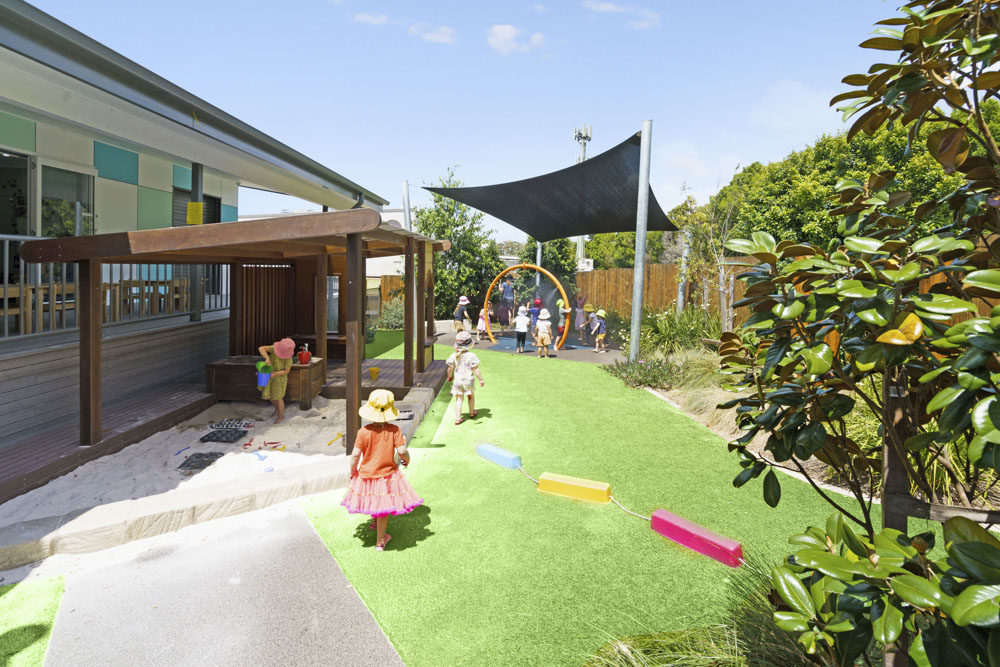
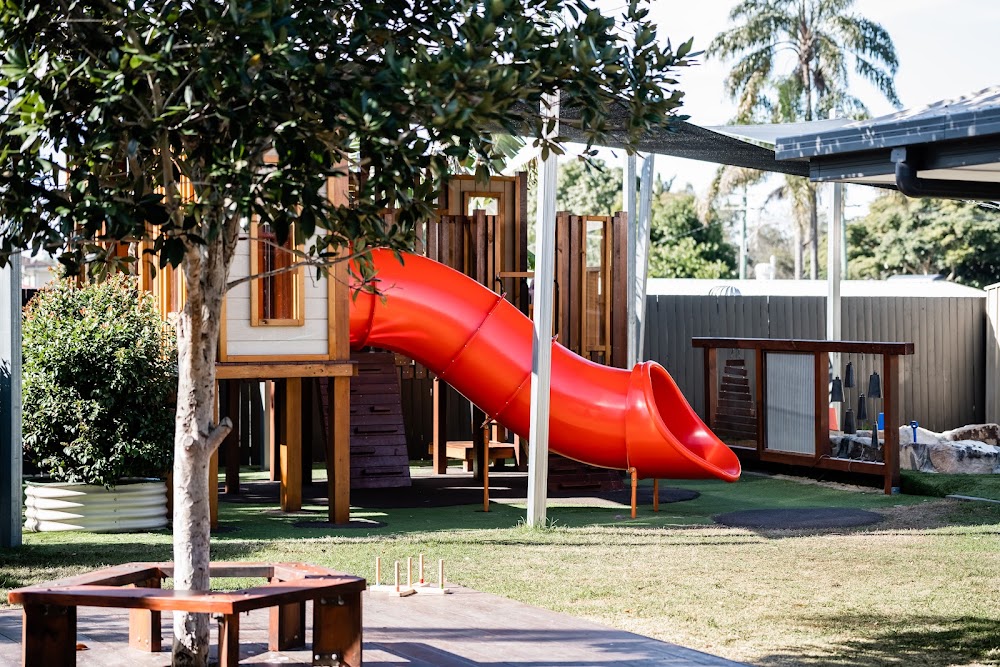

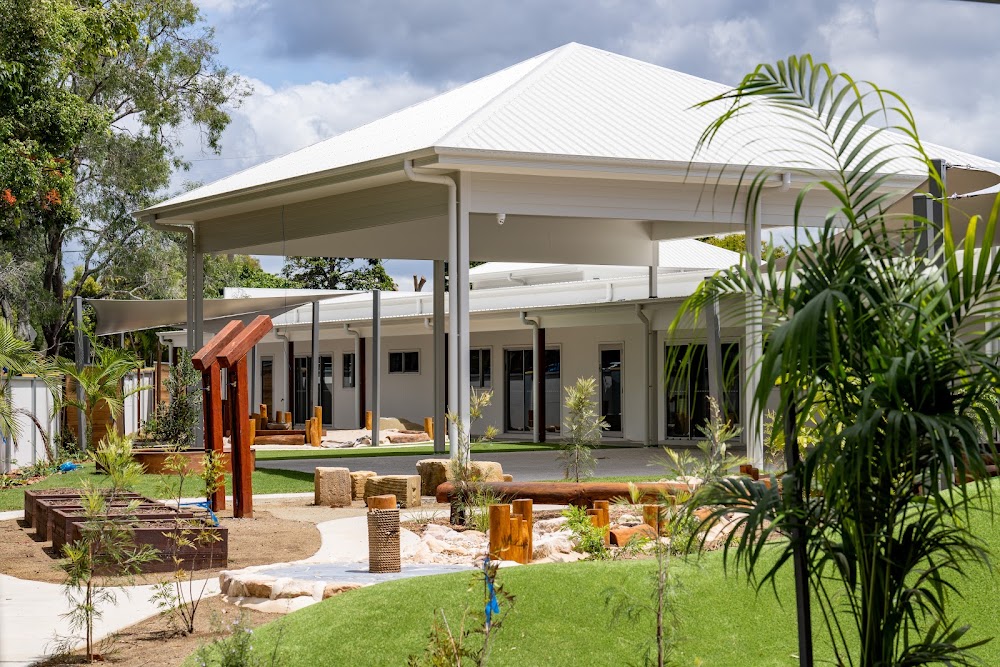
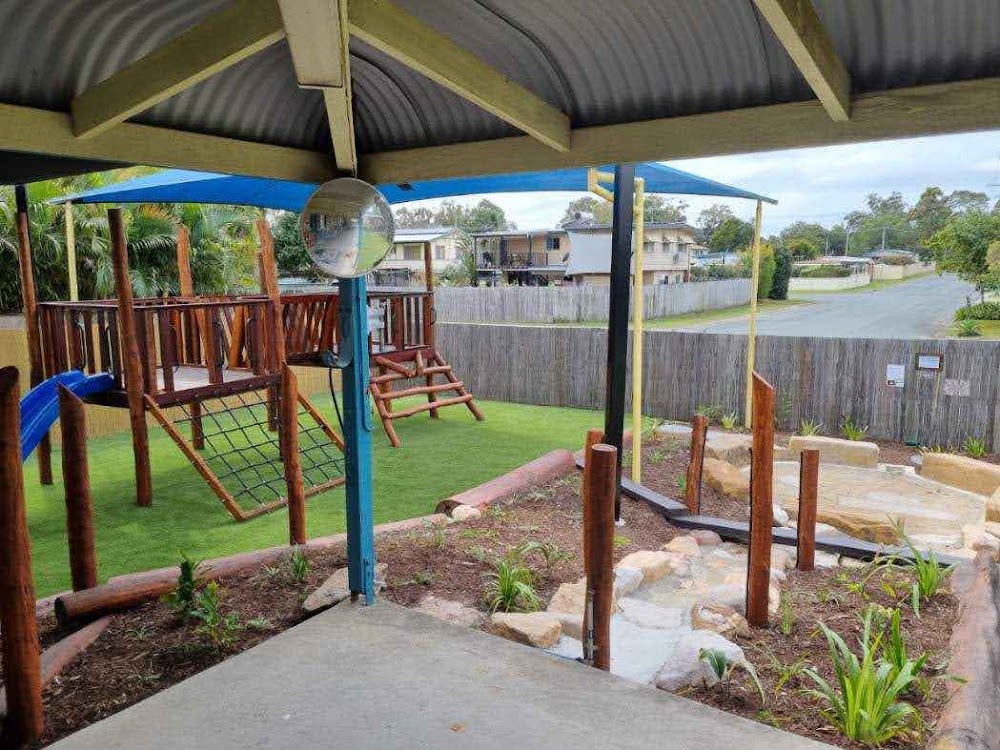
When you submit a quote or contact form on this site, we may pass your enquiry to partner providers who can do the work, and we may receive a referral fee. Our rankings and scores are based only on our published scoring method and are not affected by referral fees.
Common questions about cultural & inclusive programs
- Does it cost extra for a centre to support a child with additional needs?
- Usually not directly to families. Centres access government inclusion support funding (such as the Inclusion Support Program) to cover extra staffing or resources for a child with additional needs, so daily fees typically stay the same. It's worth confirming this with each centre and asking how they apply for that support.
- How do I know if a centre's cultural program is genuine rather than a token gesture?
- Ask what happens outside NAIDOC Week or Harmony Day. A centre with real inclusive practice will point to ongoing routines: Acknowledgement of Country each morning, books and resources reflecting First Nations and multicultural perspectives year-round, and educators who can name specific local community connections they draw on.
- What should I expect during the settling-in period if my child speaks another language at home?
- Expect the centre to ask about your child's home language and key words during enrolment, use visual routines and gestures alongside English, and check in with you regularly on how your child is adjusting. Some centres also link families with bilingual educators or interpreter services if needed.
- How often is a child's individual support plan reviewed?
- For children with diagnosed additional needs, plans are typically reviewed at least twice a year, or more often if goals change or a new specialist report comes through. Ask each centre directly, since review frequency can vary.
Guides to choosing cultural & inclusive programs
- Supporting a child with additional needs in childcare: what to ask before enrolling
Practical questions to ask a childcare centre about supporting a child with additional needs, disability, or a developmental difference, before you enrol.